
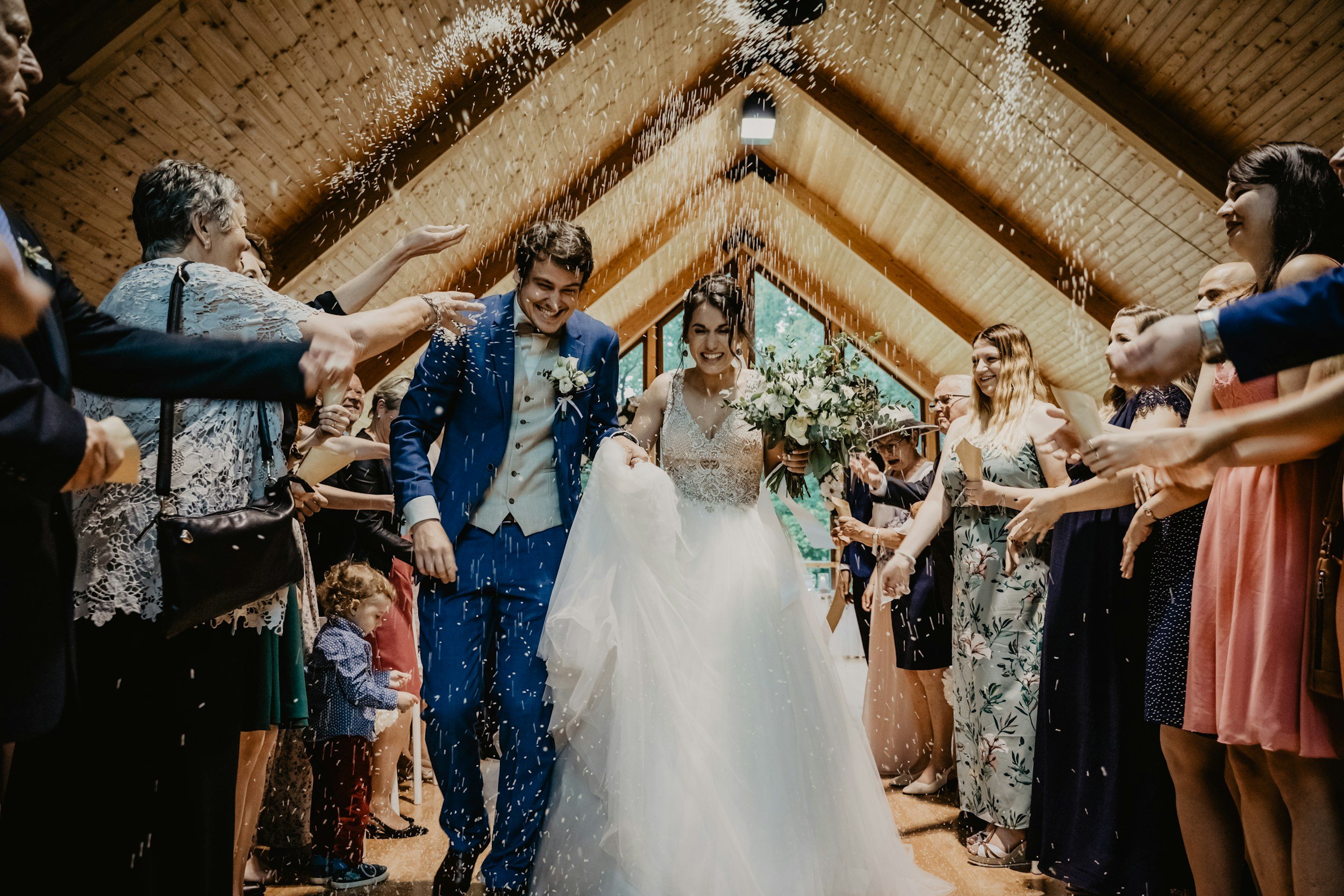
Planning your wedding day timeline may seem overwhelming, but it’s one of the most important steps in ensuring your big day runs smoothly. Whether you're working with a wedding planner or managing the schedule on your own, a clear and realistic timeline helps reduce stress, keep vendors aligned, and ensure you and your guests enjoy every moment.
Why Your Wedding Day Timeline Matters
A great wedding timeline does more than just keep things on schedule — it helps:
Coordinate multiple vendors (photographers, DJs, caterers, etc.)
Prevent unexpected delays
Maximize photo opportunities
Create space for real enjoyment
Avoid last-minute stress
Without a well-planned schedule, even the most beautiful day can feel rushed or chaotic.
Key Factors That Influence Your Timeline
Before creating your timeline, consider these variables:
Ceremony Time: This anchors your entire day. Everything else builds around it.
First Look: If you plan on seeing each other before the ceremony, you'll need extra time earlier in the day.
Venue Access: What time are you allowed to enter for setup and prep?
Travel Between Locations: Are the ceremony and reception in different places?
Sunset Time: Especially important for outdoor or golden hour photography.
Vendor Requirements: Some vendors may need setup time or have strict end times.
Sample Wedding Day Timeline (Traditional Format)
Here’s a sample for a wedding with a 4:00 PM ceremony:
9:00 AM – Hair & makeup begins
12:00 PM – Photographer arrives (detail shots, getting ready)
1:30 PM – First look and couple portraits
2:00 PM – Wedding party photos
3:00 PM – Final touches, touch-ups, dress
3:30 PM – Guests begin arriving
4:00 PM – Ceremony
4:30 PM – Cocktail hour + family photos
5:30 PM – Grand entrance and dinner
7:00 PM – Toasts and cake cutting
8:00 PM – First dance + open dancing
10:30 PM – Last dance
11:00 PM – Send-off
Tip: Always leave buffer time for outfit changes, transportation, or just a breather.
How to Adjust the Timeline for Your Needs
Not all weddings follow a traditional format. Here’s how to adapt:
Morning Ceremony: Start hair and makeup earlier (6–7 AM) and shift everything accordingly.
Single Location: Save time by eliminating travel and condensing transitions.
Shorter Reception: If you’re doing brunch or lunch, you can skip the long cocktail hour.
Religious or Cultural Traditions: Allocate extra time for ceremonies, blessings, or rituals.
Tips for Working with Vendors on Your Schedule
Your vendors are key players in making the day run smoothly:
Communicate early: Ask each vendor how much time they need.
Get their input: Photographers often help shape timelines to get the best lighting and shots.
Confirm arrival and end times in writing
Send your final timeline to all vendors at least 1 week before
Have a point person (planner, coordinator, or trusted friend) to keep everything on track
South Florida-Specific Planning Tips
Planning in South Florida comes with unique considerations:
Account for unpredictable weather — always have a rain plan
Build in time for outdoor photos during golden hour (check local sunset times)
Allow for travel time between counties or urban areas with traffic (especially on weekends)
Stay hydrated and cool if you're doing outdoor prep or photos
Final Thoughts: Build the Day You Want
The best timeline is one that fits your vision and allows you to feel present. Don’t pack the day too tightly — leave room to breathe, laugh, and enjoy the moments that matter.
Whether you're working with a planner or managing the timeline yourself, planning ahead is the best way to enjoy your day from start to finish.
Looking for trusted South Florida wedding vendors to help bring your day to life? Explore our directory to find photographers, venues, DJs, and more.